
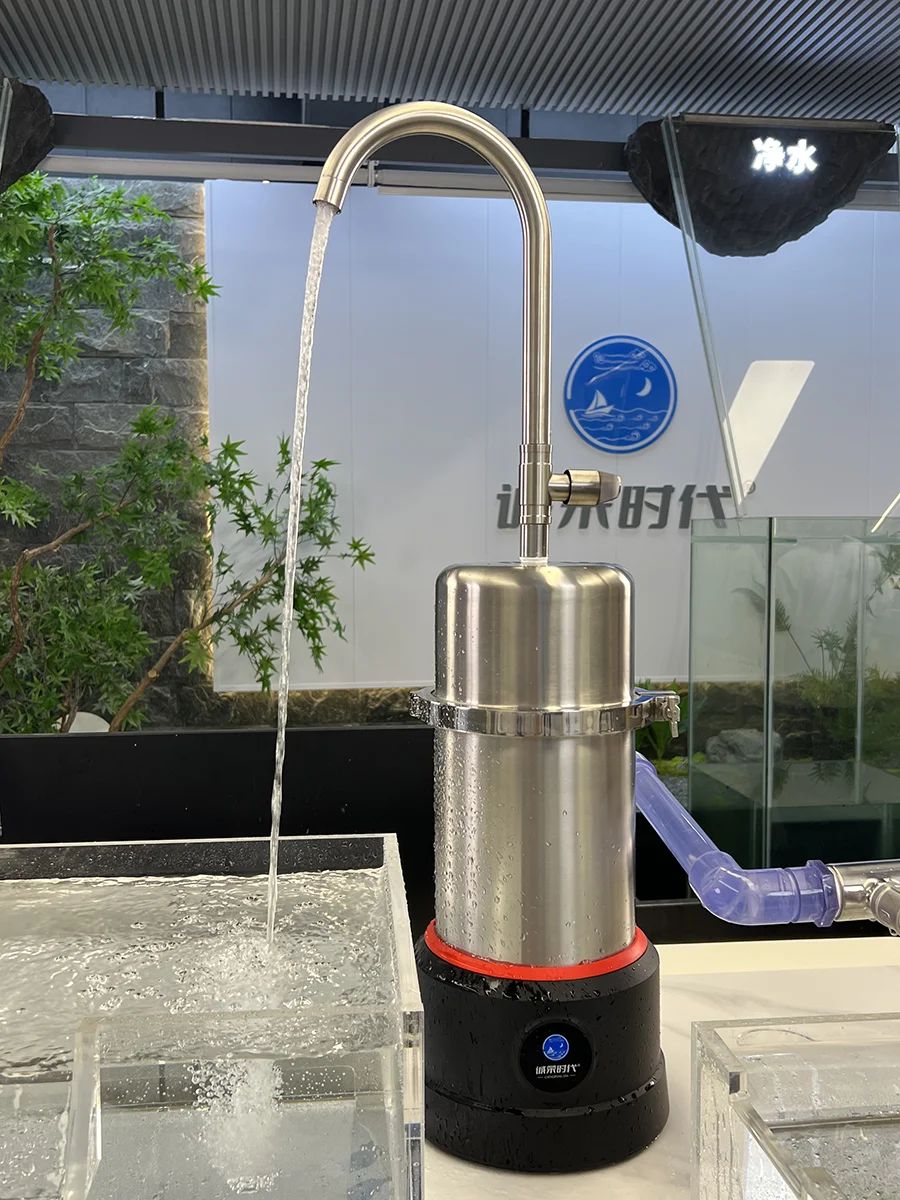
Why ChengrongTimes mineral-retaining under-sink UF water filter behaves differently?
Many RO water filter users have the same habit: they pour away the first glass of water in the morning.
Why? Because after an RO system has been sitting unused overnight, the first water from the faucet may taste different from the water produced during normal operation.
Some people simply call this “stale water.”
Others assume it happens because bacteria have grown in the water overnight. But in many cases, the more important reason is different: the dissolved-solids level on the pure-water side of the RO reverse osmosis membrane can temporarily rise while the system is shut down.
This phenomenon is commonly known as TDS creep.
How Does an RO Membrane Actually Work?
RO membranes are often described as having an extremely fine separation scale of around 0.1 nanometers. This helps explain why RO can remove not only sediment, rust, bacteria, and other larger contaminants, but also a large proportion of dissolved salts and mineral ions such as calcium and magnesium.
However, an RO membrane does not work in the same way as an ultrafiltration (UF) membrane.
UF membranes work much like a very fine physical filter: contaminants larger than the membrane pores are retained, while water and dissolved minerals can pass through. ChengrongTimes uses 0.1 μm PVDF UF membranes for whole-house filtration and 0.01 μm PVC UF membranes for under-sink drinking water.
An RO membrane, by contrast, is a dense semi-permeable membrane rather than a simple screen filled with 0.1 nm holes.
Water passes through the RO membrane mainly by a solution-diffusion process: water molecules enter the selective membrane layer, diffuse through it, and emerge on the purified-water side.
When the RO system operates under pressure, water molecules can pass through the membrane much more readily, while most dissolved salts and mineral ions—including calcium, magnesium, sodium, and chloride—are rejected and remain on the feed-water side.
This is why RO can produce water with a much lower concentration of dissolved solids—and therefore a much lower TDS—than the incoming water.
Why Does RO Water TDS Rise Overnight—and Why Is the First Glass Often Discarded?
When an RO water filter stops operating, the pressure that drives water through the RO membrane disappears. However, the difference in dissolved-salt concentration between the two sides of the RO membrane remains.
During this standby period, some dissolved ions can gradually migrate toward the purified-water side of the RO membrane.
As a result, the water that first comes out when the system starts again may have a higher TDS than the water produced during normal operation.
This is commonly known as TDS creep.
RO system operating normally:
Feed water → very low-TDS purified water
RO system sits unused:
The dissolved ions gradually migrate across the membrane. Mineral ions such as Na⁺ and Cl⁻ can generally pass more readily than divalent ions such as Ca²⁺ and Mg²⁺.
First water after restart:
Temporarily higher TDS and a taste that may seem slightly saltier or more astringent.
RO system continues running:
TDS returns toward its normal operating level
In general, if you are used to drinking RO water below 10 ppm TDS, a first-draw reading of 30–50 ppm after an overnight standby can feel noticeably different—even though 30–50 ppm itself is not necessarily a high TDS level.
People are often very sensitive to changes in taste, especially when they are accustomed to very low-TDS RO water.
It is the main reason some RO manufacturers recommend discarding the first glass after overnight standby, while some systems use automatic flushing to reduce first-draw TDS creep.
Why Doesn’t a Mineral-Retaining UF Water Filter Have the Same First-Draw TDS Rise and Taste Change?
ChengrongTimes mineral-retaining under sink water filter uses a 0.01 μm chlorine-reducing PVC ultrafiltration membrane for point-of-use filtration of treated municipal tap water.
As explained above, ultrafiltration works differently from reverse osmosis membrane. The 0.01 μm UF membrane physically retains larger contaminants such as sediment, colloids, bacteria and viruses, while the activated carbon fiber and chlorine-reducing components help reduce residual chlorine and improve taste.
At the same time, the chlorine-reduction PVC UF membrane does not significantly reject ordinary dissolved mineral ions such as Ca²⁺, Mg²⁺, Na⁺, and Cl⁻. Most of these minerals remain in the filtered water.
Therefore, the chlorine-reduction UF membrane does not create the same large dissolved-salt concentration difference across the membrane that RO does.
So after the system sits unused overnight, there is no equivalent RO-type TDS creep mechanism to cause a temporary first-draw TDS rise.
In simple terms:
For ChengrongTimes mineral-retaining under sink UF water filter, the first water in the morning remains much closer to the system’s normal filtered water in both TDS and taste.
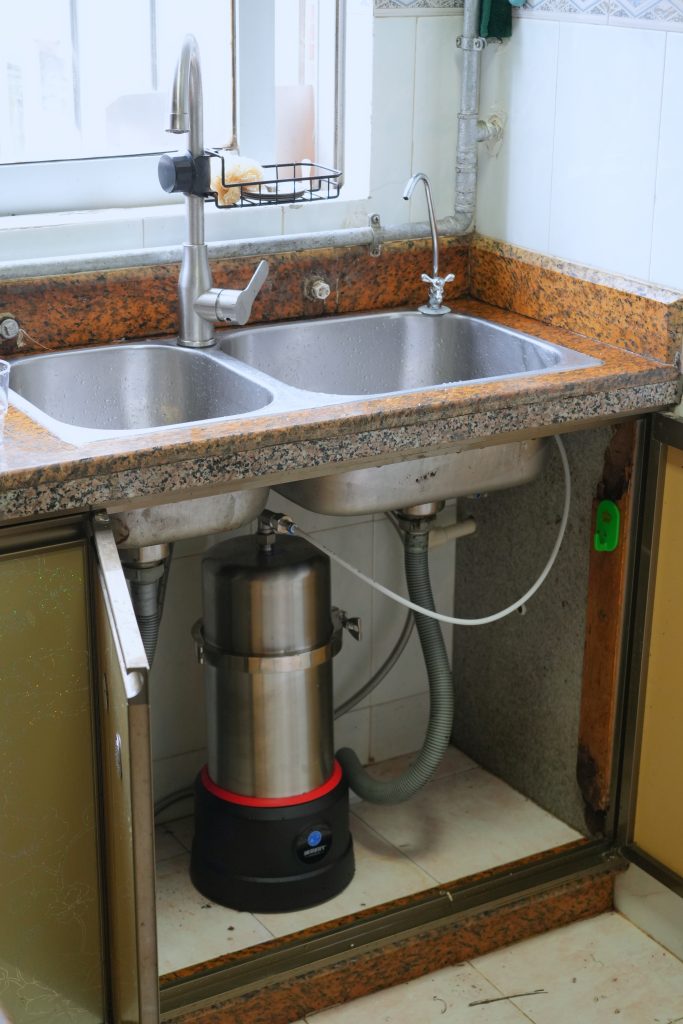
RO Water Filter vs. ChengrongTimes Mineral-Retaining UF: What Happens After 12 Hours?
| Under-sink RO Water Filter | ChengrongTimes Mineral-Retaining under-sink UF water filter | |
|---|---|---|
| Dissolved-salt concentration across membrane | Large difference between feed and permeate sides | Dissolved minerals remain much more similar |
| After shutdown | Salt migration and TDS creep can occur | No equivalent RO-type TDS-creep driving force |
| First-draw TDS after 12 h in our test | From <10 ppm during normal production to about 30–150 ppm | Remained close to normal filtered-water TDS |
| First-draw taste | May differ from normal RO water | Remains more consistent with normal outlet water |
| RO-type first-draw TDS issue | Can occur | Does not occur through the same mechanism |
Test note: ChengrongTimes in-house standby comparison using typical municipal tap water with source-water TDS of approximately 100–300 ppm. Results can vary with water quality and system conditions.
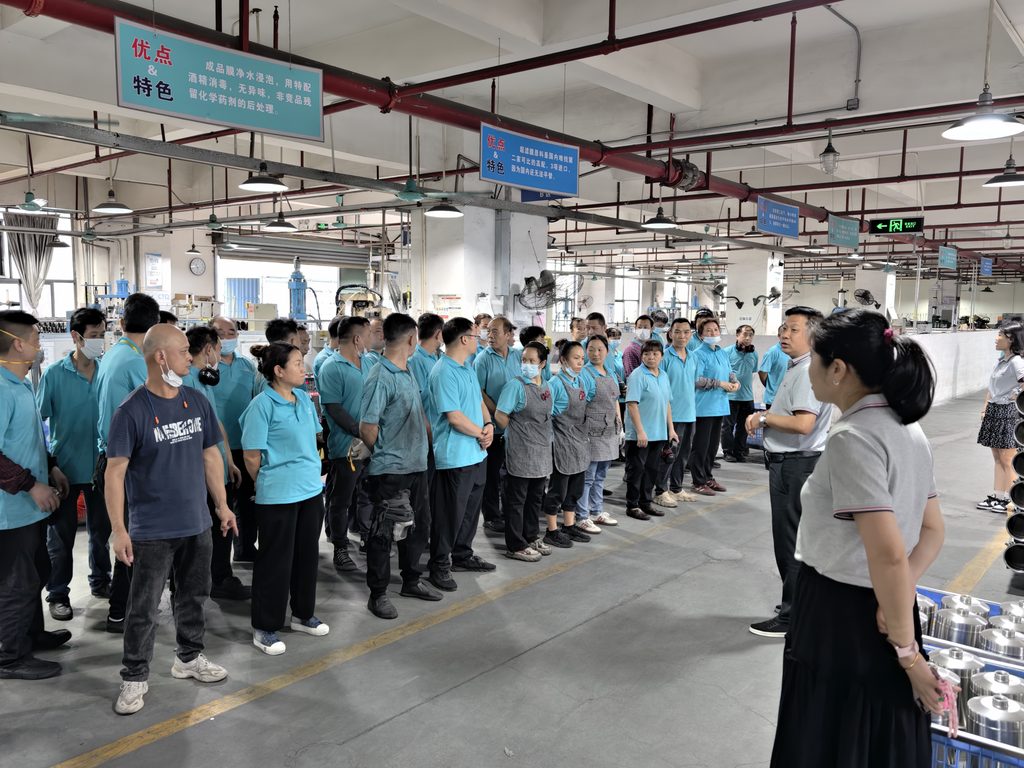
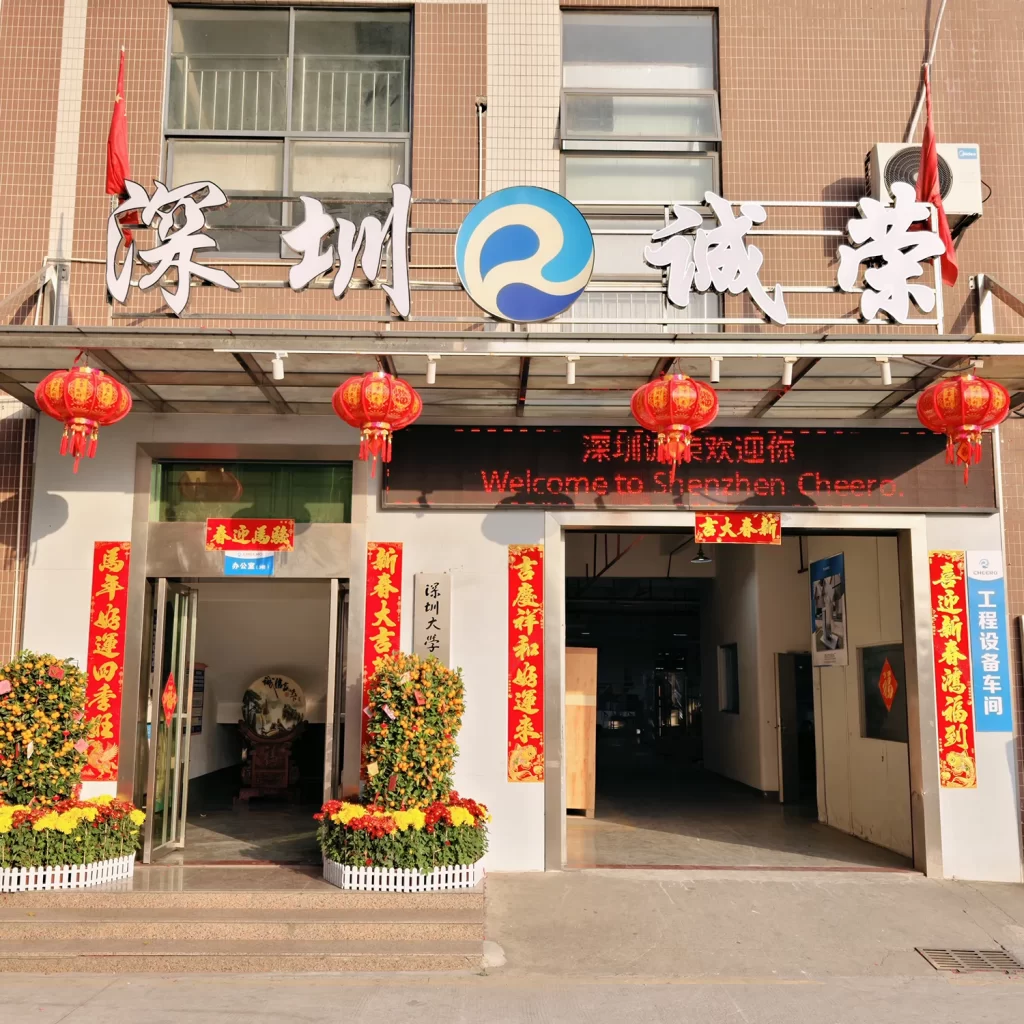
Ultrafiltration water filter made in Chengrong Factory, Built for Long-Term Reliability, Peace of Mind for Customers Worldwide
10-Year Corrosion Resistance Commitment
10-Year Leak Protection Commitment
10 Years of After-Sales SupportChengrongTimes Whole House Water Filtration Systems, Never Compromise on Quality and Service
Frequently Asked Questions
1. Why is my RO water TDS higher in the morning?
After an RO system sits unused for several hours, dissolved ions can gradually migrate across the membrane. This may temporarily increase the TDS of the first water produced after restart.
2. What is TDS creep?
TDS creep is the temporary increase in dissolved solids on the RO-water side of a reverse-osmosis membrane after the system has been idle.
3. Does ChengrongTimes mineral-retaining under sink UF water filter have the same TDS creep problem?
Normally, no. Ultrafiltration membrane does not significantly remove ordinary dissolved salts, so it does not create the same salt-concentration difference responsible for RO-type TDS creep.