
Does a Higher Water Purifier Flow Rate Mean Better Performance? What Do 8T and 10T Really Mean?
When purchasing a water purifier, many people pay attention to one parameter: how large is the water purifier flow rate?
Some water purifiers advertise 8T, while others advertise 10T. When consumers see these numbers, their first reaction is often: Does a higher flow rate mean that the water flow in my home will actually be greater?
In fact, there is a very common misunderstanding here.
The membrane flux of a water purifier is not the same as the actual household water flow rate.
The 8T and 10T figures advertised by water purifiers generally represent the water production capacity of the purification system, rather than meaning that a household faucet can actually deliver 8 tons or 10 tons of water per hour. The actual water output is also affected by household water pressure, pipe size, pipeline structure, and other factors.
Therefore, when choosing a water purifier, you should not only look at numbers such as “8T” or “10T.” More importantly, you should consider whether its water production capacity can meet the actual water needs of your household.
What Is the Difference Between Water Purifier Flow Rate and Actual Water Output?
Let’s first understand these two concepts simply.
The membrane flux of a water purifier mainly reflects the water production capacity of the purification system, while the actual water flow rate is the amount of water that consumers can actually obtain when they turn on the faucet.
These two concepts are related, but they are not the same thing.
The water production capacity of a water purifier is related to membrane area, water pressure, and membrane performance. Under certain conditions, a larger membrane area can provide greater water production capacity.
However, how much water a household can actually obtain is also affected by household tap water pressure, pipe diameter, valves, and the entire household pipeline system.
Therefore, when you see a water purifier advertised as “8T” or “10T,” you cannot directly interpret it as:
The faucet of this water purifier can actually deliver 8 tons or 10 tons of water per hour.
This is one of the most common misunderstandings consumers have when choosing a high-flow water purifier.

Why Do Some Water Purifiers Advertise 8T and 10T?
So, what exactly do 8T and 10T mean?
From a technical perspective in the water purification industry, they mainly reflect the water production capacity of the membrane system, which is membrane flux.
Simply put, the membrane can be understood as the “core water-producing organ” of the water purification system.
A higher membrane flux means that, under certain test conditions, the system can produce more purified water per unit of time.
However, this parameter cannot be directly equated with the actual water flow rate from a household faucet.
For example, if a household turns on several faucets in the kitchen, bathroom, or other areas at the same time, the overall household water demand increases.
At this point, if the water production capacity of the purification system is insufficient, the water supply may fail to keep up with consumption, and users may feel that the water flow is becoming smaller.
Therefore, the real value of a high membrane flux is not to suddenly make one faucet deliver 8T or 10T of water, but to give the purification system sufficient continuous water production capacity.
Why Can’t Actual Household Water Output Reach 8T or 10T?
This is also something that confuses many consumers.
Under normal household conditions, actual water flow is limited by household water pressure and pipeline conditions.
Even without a water purifier, the actual flow rate available in many household main pipelines in China is limited by pipe diameter and water pressure.
Common household pipe sizes include 4-point pipes, 6-point pipes, and 1-inch pipes. Municipal water pressure and household pipeline conditions also determine the upper limit of actual household water flow.
Therefore, you cannot simply assume that because a water purifier advertises 8T or 10T, the household faucet can actually deliver 8T or 10T of water.
This is why I have always believed that technical parameters of water purifiers should be communicated to consumers accurately, rather than using professional terminology to create misunderstandings.
Is a Higher Water Purifier Flow Rate Always Better?
My answer is:
Not necessarily.
This is also a very important question when consumers choose a water purifier.
Many products on the market now emphasize “high flow rates,” and consumers can easily develop the perception that:
The higher the flow rate, the better the product.
But in reality, the flow rate of a water purifier is not simply a matter of “the bigger, the better.” It should match the actual water needs of the household.
If a household has only a small number of water outlets and its daily water consumption is not large, blindly pursuing higher water production capacity may increase the cost of the product.
On the other hand, if a household has multiple bathrooms and multiple faucets and often has several people using water at the same time, greater water production capacity has practical value.
Therefore, when choosing a water purifier, we should consider:
How many water outlets does the household have?
Do multiple people often use water at the same time?
How much continuous water supply capacity does the household actually need?
Rather than asking right away:
“Do you have 8T?”
Or:
“Do you have 10T?”
What Are the Benefits of Higher Membrane Flux?
One important benefit of higher membrane flux is that it can improve the continuous water production capacity of the purification system.
Suppose a household only uses one faucet at a time and does not require much water. In that case, ordinary water production capacity may already be sufficient.
But if several faucets are turned on at the same time, the household’s overall water demand increases significantly.
At this point, if the purification system has sufficient water production capacity, it can better meet the demand for simultaneous water use at multiple outlets.
In other words:
Membrane flux is not intended to make one faucet deliver 8T or 10T of water. It is intended to give the purification system sufficient continuous water supply capacity when multiple household water outlets are operating at the same time.
That is the real problem that a high-flow system should solve.
Is a Larger Membrane Area Always Better?
In theory, a larger membrane area provides greater potential for increasing water production capacity.
However, the larger the membrane area, the higher the cost.
Therefore, water purifier design is not simply about pursuing “the larger the membrane, the better.”
The real goal is to find a balance between:
water usage experience, water production capacity, and product cost
And this balance largely depends on the actual water needs of the household.
For example, the number of bathrooms, the number of kitchen faucets, and the number of water outlets that are likely to be used simultaneously should all be important factors when choosing the water production capacity of a water purifier.
Therefore, when recommending water purifiers to customers, we do not simply tell customers at the beginning:
“8T is the best.”
Or:
“10T is better.”
Instead, we select the appropriate size of water purifier and suitable water production capacity based on the customer’s actual household water usage scenario.
Why Does ChengrongTimes Continue to Develop Ultrafiltration Membranes?
Speaking of this, I would also like to talk about ourselves.
When I was very young, my father told me that the greatest quality a man can have is keeping his word.
If you promise something to someone, you should do your best to fulfill it.
If you cannot do it, you should also tell the other person in time.
Either speak carefully or keep your word.
After starting my business, these words have had an increasingly profound influence on me.
Many years ago, when the company had just started, our business performance was not good, and we did not have enough money to pay our suppliers at the end of the year. So my wife and I personally visited the supplier to apologize.
Unexpectedly, the supplier understood our difficulties.
Later, this supplier continued to cooperate with ChengrongTimes.
More than ten years have passed. ChengrongTimes has gradually grown, and our suppliers have also gradually become known by more customers in the industry.
Therefore, I increasingly believe:
The most important thing in building a brand, developing products, and doing marketing is being reliable.
Where professionalism is required, we should be professional.
Say what we know.
Do not make things up when we do not know them.
Especially for water purifiers, many consumers do not understand the relationship between membrane flux, water pressure, pipe diameter, and water production capacity.
We cannot take advantage of consumers’ lack of knowledge and use professional terminology to create misunderstandings.
Because consumers will eventually understand.
Why Does ChengrongTimes Focus So Much on Ultrafiltration Membranes?
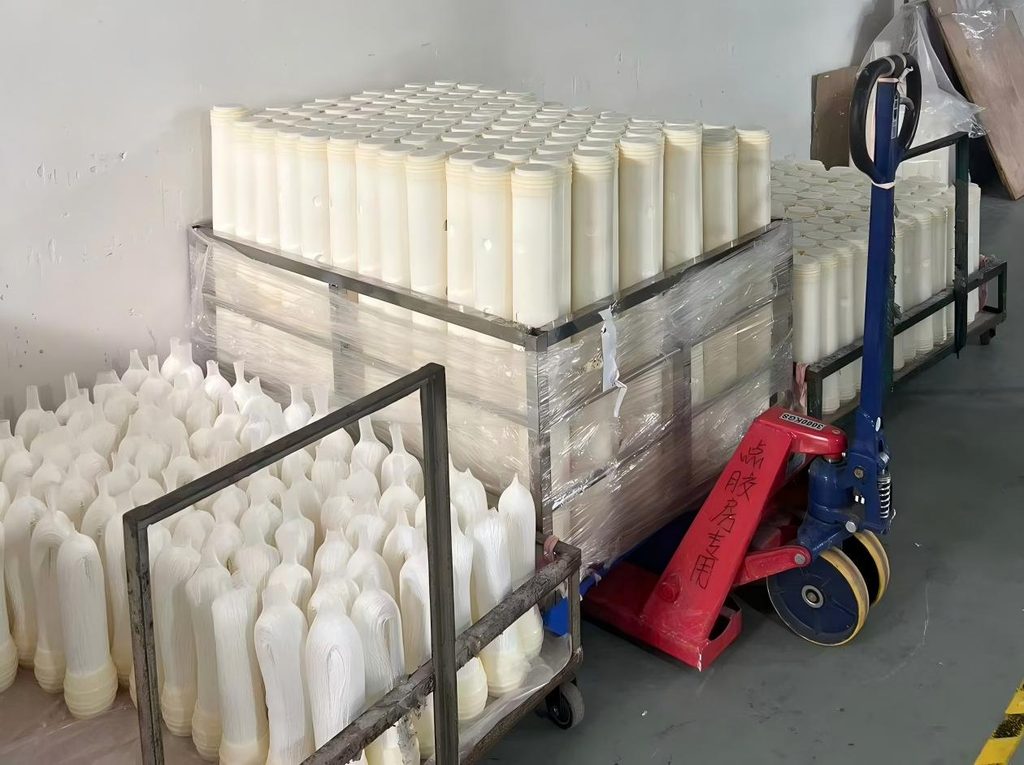
One of the reasons we have continued to invest in ultrafiltration membrane development is that we want to truly master the core materials ourselves.
In the past, we worked with many external suppliers.
Some membranes were extremely expensive, while the performance of others could not meet our quality requirements.
So we began investing continuously in research and development.
After years of R&D, under the same pressure conditions, ChengrongTimes ultrafiltration membranes have achieved a 40% increase in strength and toughness, a 40%–50% increase in membrane flux, and continuous optimization in anti-fouling performance.
Ultimately, these technical indicators are intended to serve one purpose:
To enable water purifiers to maintain more stable water production capacity and a better water usage experience in actual household applications.
Of course, this is not the core focus of today’s article.
What I mainly want to tell everyone today is:
Membrane flux is not the same as actual water flow rate.
What Flow Rate Should You Look for When Buying a Water Purifier?
If you are currently purchasing a water purifier, I do not recommend looking only at “8T,” “10T,” or any single number.
More importantly, consider three questions.
First, how many water outlets does your household have?
The more water outlets a household has, the more likely simultaneous water use will occur, and the greater the demand for continuous water production capacity from the purification system.
Second, do multiple people in the household often use water at the same time?
If there are more family members or multiple areas such as the kitchen and bathrooms frequently use water simultaneously, you should pay more attention to the continuous water production capacity of the water purifier.
Third, look at actual needs rather than blindly pursuing high flow rates
A higher flow rate does not necessarily mean a better fit.
A truly good water purifier finds a balance between actual household water needs, product performance, and cost.
The flow rate that suits your household is the best flow rate.
Frequently Asked Questions About Water Purifier Flow Rate
1. Is a higher water purifier flow rate always better?
Not necessarily. The flow rate of a water purifier should match the actual water needs of the household. If there are many water outlets and frequent simultaneous water use, a higher water production capacity may be worth considering. For an ordinary household, there is no need to blindly pursue a higher specification.
2. What does 8T mean on a water purifier?
The 8T specification advertised by a water purifier generally reflects the water production capacity of the purification system rather than meaning that a household faucet can actually deliver 8 tons of water per hour. Actual water flow is also affected by water pressure, pipe diameter, and household pipeline conditions.
3. Is 10T better than 8T for a water purifier?
This cannot be determined simply. 10T represents a higher water production capacity, but whether it is necessary depends on the number of household water outlets, simultaneous water usage needs, and product cost.
4. What mainly affects the water output of a water purifier?
The actual water output of a water purifier is affected by multiple factors, including water pressure, pipe size, membrane area, membrane performance, and the structure of the water purification system itself.
5. Why can a water purifier have high membrane flux but not such a high actual water output?
Because membrane flux mainly reflects the water production capacity of the purification system, while actual household water output is also limited by water pressure, pipe diameter, and household pipeline conditions. Therefore, the two cannot be directly equated.
Finally, I Still Want to Say One Thing
What is the most important thing in doing business?
Honesty, integrity, and sincerity.
The water purification industry can talk about technology, specifications, 8T, 10T, and ultrafiltration membrane performance.
But whatever the specification is, it should be accurately communicated to consumers.
Membrane flux is membrane flux, and actual water flow rate is actual water flow rate.
We should not mix up two completely different concepts simply because consumers do not understand them yet.
I have always believed:
A product reflects the character of the people behind it, and a brand is built on reputation.
What ChengrongTimes hopes to build is not just a water purifier brand, but a brand that makes customers feel that we are “reliable.”
Because a truly trustworthy company should not only tell customers how good its products are. It should also clearly explain what the product actually is, why it is good, and what type of customer it is suitable for.
That is what we understand as:
Reliable.