1. Ultrafiltration Technology: An Important Direction for Modern Water Treatment Plants
Modern drinking water treatment has evolved from conventional processes such as coagulation, sedimentation, filtration, and disinfection to more advanced treatment combinations, including ozone oxidation and biological activated carbon (BAC).
Today, as drinking water quality requirements continue to increase, ultrafiltration (UF) membrane technology is playing an increasingly important role in modern water treatment plants.
Unlike conventional media filtration, UF membranes provide a high-precision physical filtration barrier capable of retaining suspended particles, colloids, and many microorganisms that conventional filtration methods alone may not adequately remove. This helps improve the consistency of treated water quality.
Ultrafiltration technology is playing an increasingly important role in the future modernization of drinking water treatment plants.
Across markets such as North America, Europe, Japan, and Singapore, UF technology is being adopted in municipal water treatment and plant upgrading projects. In China, it is also used in large-scale municipal water treatment plants and rural drinking water supply projects.
2. Why Is Ultrafiltration More Suitable for Rural Water Supply?
In rural and mountainous areas where water sources have relatively good raw water quality and are free from significant industrial pollution, a complicated conventional water treatment process may not always be necessary or the most appropriate solution.
Rather than building a complete conventional treatment process involving chemical dosing, coagulation, sedimentation, and sand filtration, a simplified treatment system centered on ultrafiltration can be adopted.
The high filtration precision of UF membranes enables them to effectively retain fine suspended particles, sediment, colloids, insect eggs, and certain bacteria. These filtration capabilities give ultrafiltration-based systems several distinct advantages over conventional water treatment processes:
- Less Chemical Dosing, Easier Maintenance: By reducing the need for coagulation and sedimentation, the system can simplify operation, reduce chemical consumption, and lower treatment costs.
- Modular Design, Faster Installation: Modular system configurations allow flexible installation and are well suited to rural water supply projects.
- Resistance to Raw Water Turbidity Fluctuations: UF membranes can effectively retain suspended particles and colloids, maintaining stable filtration performance even when mountain streams become muddy during heavy rainfall.
- Consistent Treated Water Quality: The system is designed to maintain treated water turbidity below 1 NTU, with minimal dependence on manual operating adjustments.
For drinking water, turbidity is one of the most visible indicators of treatment performance and is closely associated with microbiological risks. Maintaining low turbidity and microbiological safety is therefore a key priority in rural drinking water supply.
3. A 200 m³/Day Gravity-Driven Ultrafiltration Water Treatment Plant
Recently, our engineering team at ChengrongTimes completed a rural drinking water treatment project featuring ultrafiltration technology.
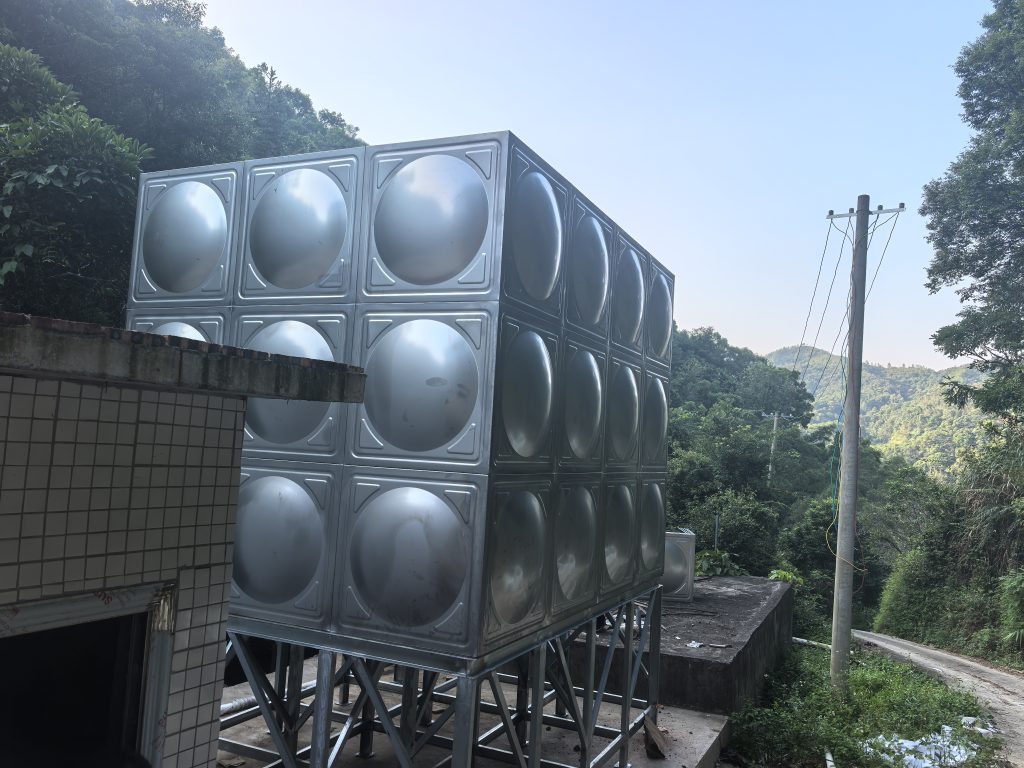
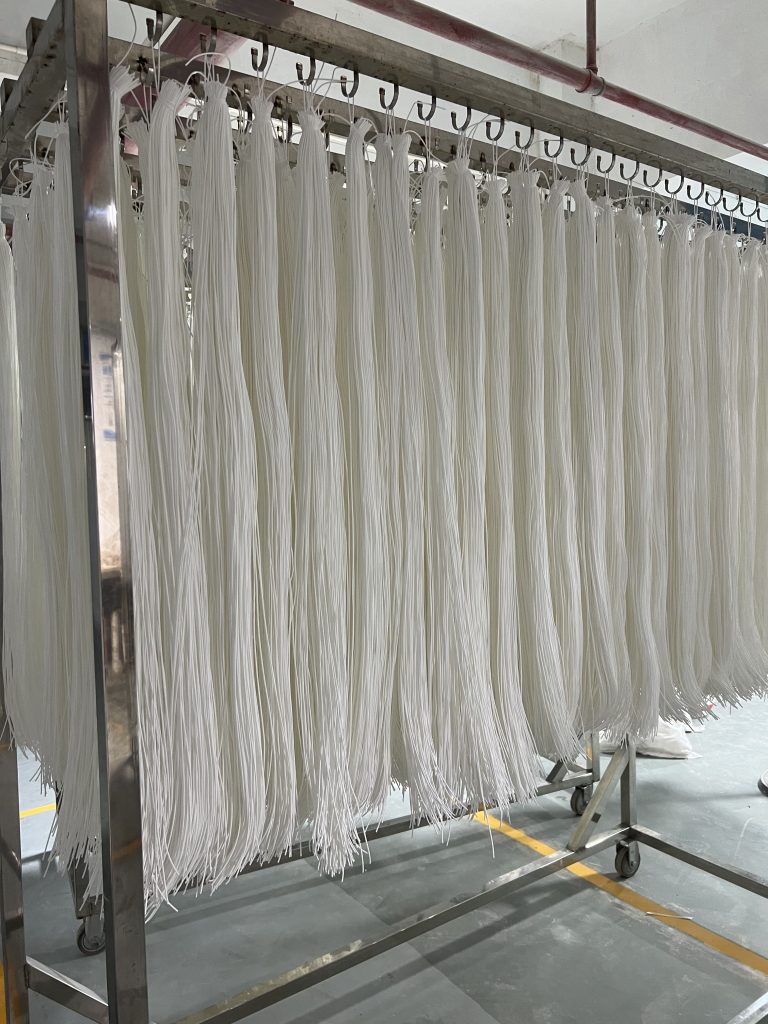
The project uses gravity-driven ultrafiltration with curtain-type hollow fiber UF membranes, with a designed production capacity of 200 m³ per day.
The project takes advantage of the natural elevation difference between the mountain stream and the treatment tank, allowing raw water to flow into the tank without requiring a conventional raw water feed pump. This helps reduce energy consumption.
Once the treated-water outlet pipe is filled, a siphon effect is created. Working together with the membrane modules, this hydraulic arrangement helps improve the system’s resistance to membrane fouling.
3.1 Why is it called gravity-driven ultrafiltration?
The system works by using the natural force of gravity instead of a water pump.
The mountain stream is located higher than the treatment tank, so water naturally flows downhill into the tank without needing a raw water pump. Once inside the tank, the weight of the water creates the pressure needed to push it through the ultrafiltration membranes.
Since gravity-driven UF operates at relatively low pressure, a larger membrane filtration area is needed to achieve the required production capacity.
Once the treated water outlet pipe is filled, a siphon effect is created, helping draw water through the UF membranes in the raw water tank. The combination of low-pressure filtration and the siphon effect helps reduce membrane fouling, allowing the system to maintain stable filtration performance.
3.2 Gravity UF vs. Pressurized Column UF
Gravity-driven ultrafiltration and pressurized column ultrafiltration differ mainly in their driving forces, operating pressure, membrane area requirements, and application scenarios.
| Comparison | Gravity-Driven UF System | Pressurized Column UF System |
| Driving Force | Natural water head; no raw water feed pump required | Pump-generated pressure |
| Operating Pressure | Relatively low | Relatively high |
| Production Capacity (Under Comparable Conditions) | Generally lower; requires a larger membrane area | Generally higher |
| Installation Footprint | Generally larger | Generally smaller |
| Typical Applications | Mountainous rural areas with sufficient natural elevation difference | Conventional water treatment plants in flat areas or locations with limited installation space |
4. What Makes ChengrongTimes Different?
At ChengrongTimes, our capabilities extend far beyond UF membrane manufacturing.
First, we have an independent engineering department with extensive experience in rural and township drinking water treatment plant projects.
We develop suitable solutions based on actual water source conditions, required production capacity, and installation environments. We also typically design our systems with 20% additional production capacity beyond the customer’s specified requirement, providing an extra capacity margin to accommodate fluctuations in water demand.
Second, we are a vertically integrated ultrafiltration manufacturer with comprehensive in-house manufacturing capabilities across our entire core supply chain.
From UF membrane R&D and manufacturing to stainless steel housing production, metal components, accessories, and complete water treatment system assembly, we handle all these key manufacturing processes in-house rather than outsourcing them to third parties.
This gives us greater control over product quality, component compatibility, manufacturing consistency, and delivery schedules.
Third, we place great emphasis on the quality and reliability of our engineering equipment.
Our systems use components from internationally recognized brands for key control systems, including PLCs, displays, and electronic components.
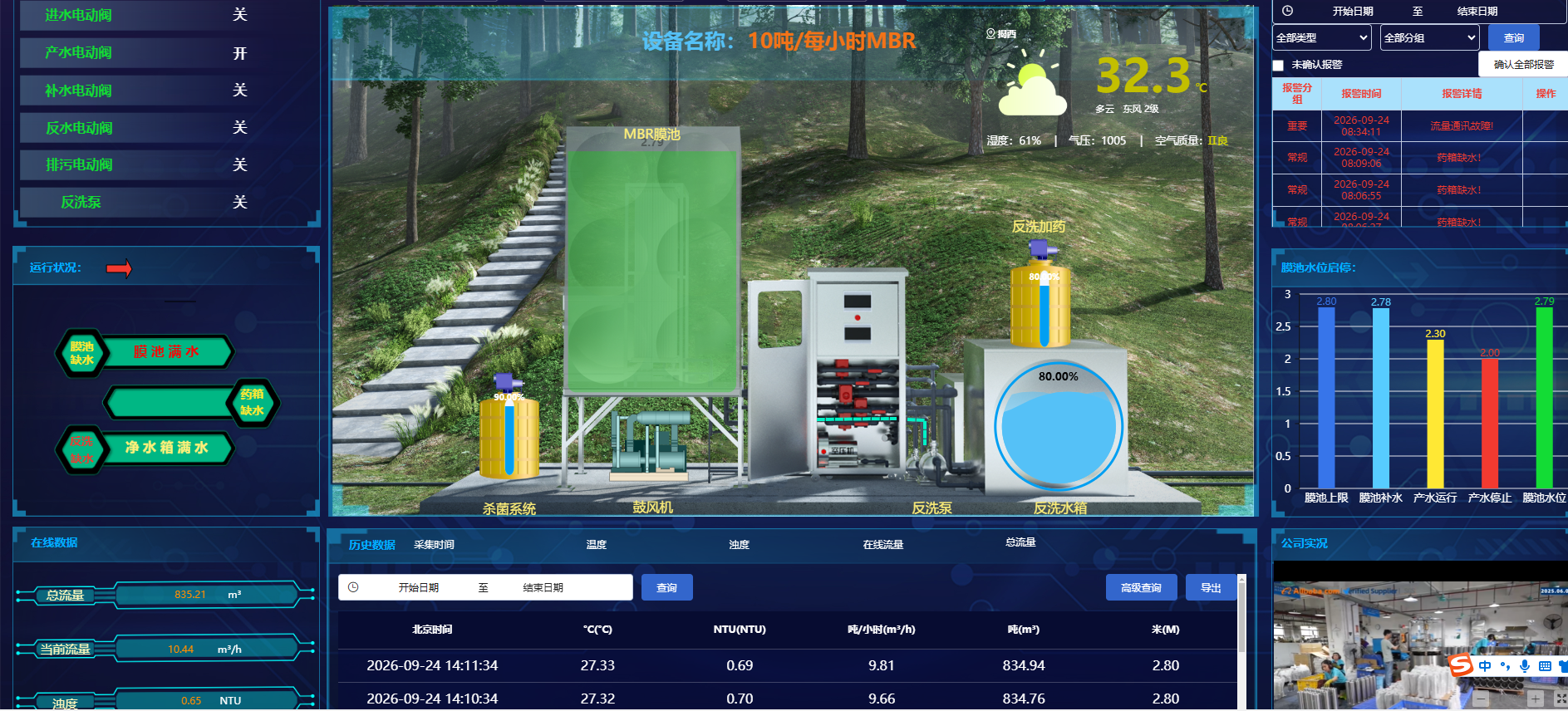
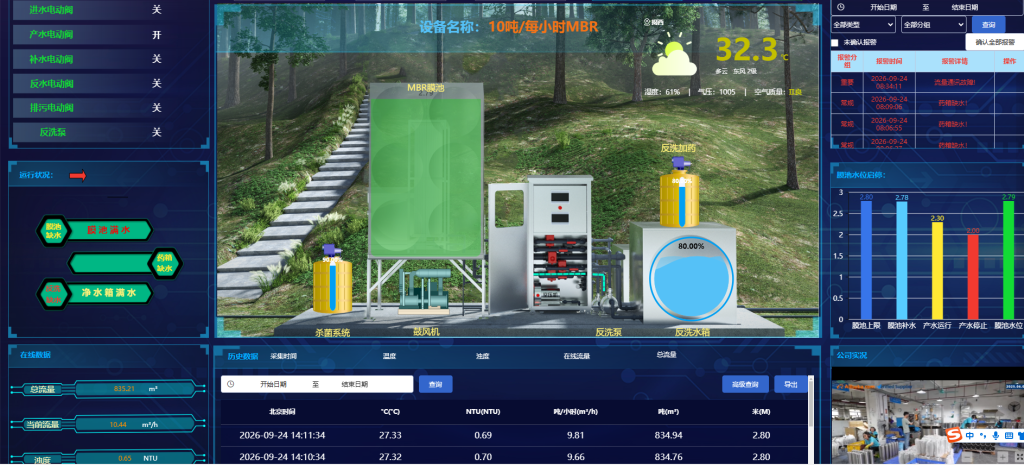
Our systems are equipped with intelligent remote monitoring capabilities, allowing customers to access their water treatment plant’s operating status through both mobile devices and computers.
Customers can monitor key operating parameters in real time, including water flow, turbidity, pressure, and equipment operating status, as well as receive filter maintenance and replacement alerts.
This enables customers to monitor their systems remotely, manage equipment more conveniently, and respond to potential issues in a timely manner.
5. What Does This Mean for Rural Communities?
For rural communities, a drinking water treatment plant is not just about filtration technology. It is about providing a reliable supply of clean drinking water with manageable operating and maintenance costs.
By combining gravity-driven ultrafiltration with an appropriately designed treatment process, this project aims to provide:
- More consistent water quality: Physical membrane filtration helps reduce suspended particles, colloids, and many microorganisms.
- Lower energy consumption: Natural water flow reduces the need for raw water pumping.
- Simplified operation: Fewer treatment stages can make daily operation and maintenance easier.
- Remote monitoring: Operators can monitor key system parameters through mobile devices and computers, helping them identify potential operating issues.
For rural communities, these advantages can contribute to a more reliable and manageable drinking water supply.
Ultrafiltration water filters made in Chengrong Factory, Built for Long-Term Reliability, Peace of Mind for Customers Worldwide
10-Year Corrosion Resistance Commitment
10-Year Leak Protection Commitment
10 Years of After-Sales SupportChengrongTimes Whole House Water Filtration Systems, Never Compromise on Quality and Service